
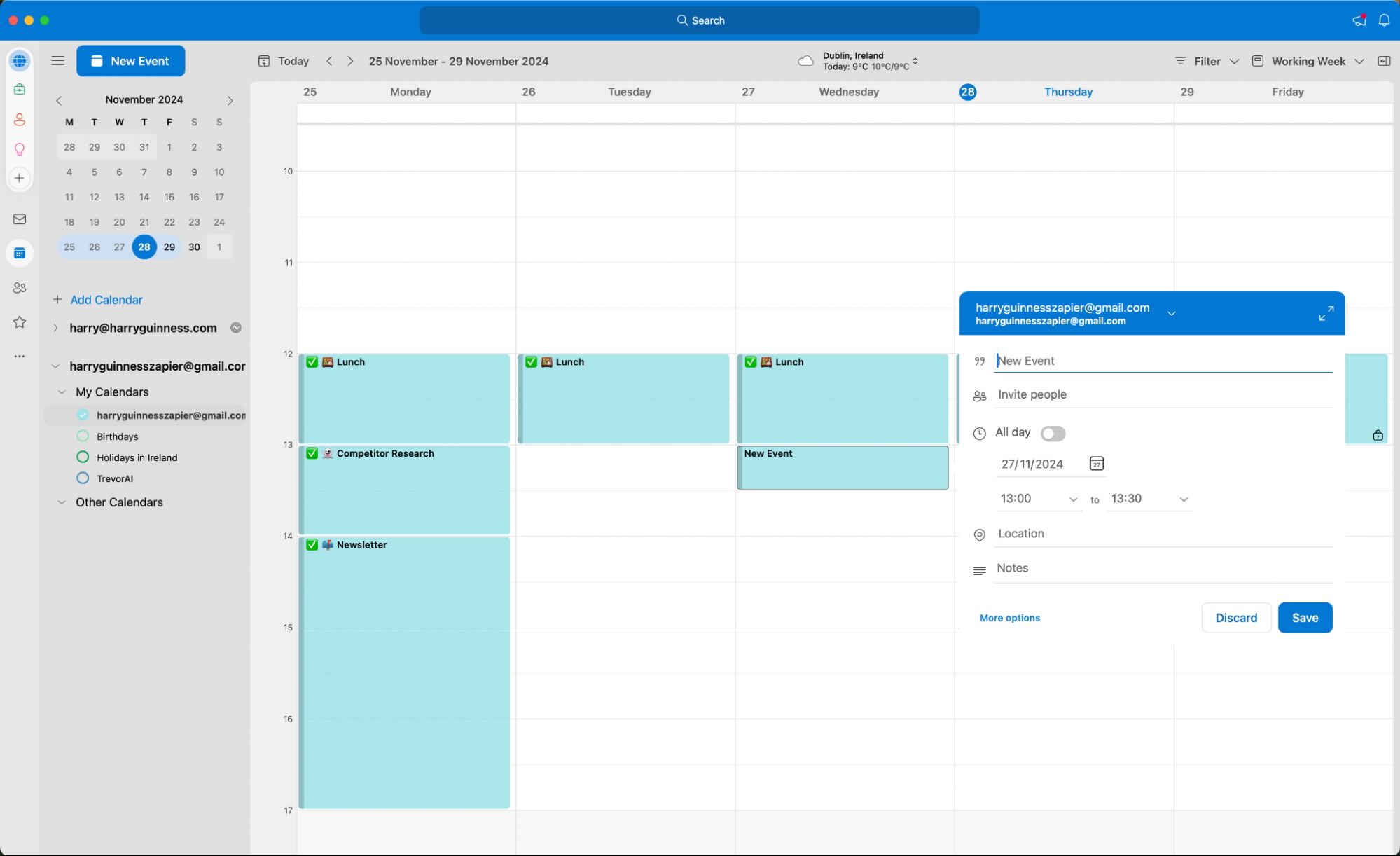
I’ve spent years managing content calendars, cross‑functional meetings, and launch timelines, and I’ve tested more calendar apps than I care to admit. If you want to stay on top of your day without drowning in notifications, the right mix of calendar and scheduling apps can be the difference between chaos and clarity. In this guide, I’ll break down the Top 5 Calendar & Scheduling Apps to Stay Organized, share what they’re best at, and help you pick the one that fits your workflow. Expect real‑world tips, hard‑won lessons, and a clear path to making time work for you.

Source: zapier.com
How I Chose These Apps
I didn’t just list the usual suspects. I scored each app against criteria that matter when you’re juggling meetings, deep work, and teams:
- Ease of use and speed to schedule
- Cross‑platform support (iOS, Android, macOS, Windows, Web)
- Integrations with email, video conferencing, and task/project tools
- Scheduling automation and smart features (like time blocking, availability pooling, round‑robin, natural language input)
- Collaboration features (shared calendars, booking links, team scheduling)
- Privacy and security posture
- Pricing value for individuals and teams
In my experience, an app must reduce clicks and calendar Tetris, not add more. Each pick below has proven, over months of real use, to remove friction and help me stay organized.
Source: www.nfstube.com
The Top 5 Calendar & Scheduling Apps
1) Google Calendar
- Why it stands out: It’s the default for many teams because it’s fast, ubiquitous, and tightly integrated with Gmail, Meet, and a massive ecosystem of tools. Natural language event creation is fast (“Lunch with Sam at 12 tomorrow”), and shared calendars are painless.
- Best for: Individuals, startups, and mixed‑tooling teams that live in Google Workspace.
- Key strengths:
- Smart suggestions for times and rooms, plus automatic Google Meet links.
- Powerful sharing permissions and resource booking.
- Works everywhere with reliable sync.
- Watchouts:
- Task/Project integration is basic unless you add third‑party tools.
- Color‑coding is useful but can get overwhelming without a naming convention.
- Pricing: Free with Google accounts; included in Workspace plans. Pricing may change—check the latest if you need admin controls.
- Pro tip I use: I keep a dedicated “Deep Work” calendar in bold color and set it to “Busy” so colleagues stop booking over it. It’s a simple time‑blocking hack that rescued my mornings.
2) Microsoft Outlook Calendar
- Why it stands out: Inside Microsoft 365 environments, Outlook Calendar is the glue between email, Teams, OneNote, and enterprise security. Scheduling Assistant and FindTime make multi‑stakeholder scheduling far less painful.
- Best for: Mid‑to‑large companies and anyone already in Microsoft 365.
- Key strengths:
- Polished Scheduling Assistant for finding times across time zones.
- All the enterprise trimmings: DLP, conditional access, policy control.
- One‑click Teams meeting links and RSVP tracking.
- Watchouts:
- Web and desktop experiences differ; there’s a small learning curve.
- Personalization lags some consumer‑first apps.
- Pricing: Included in Microsoft 365 subscriptions; consumer Outlook is free on the web/app.
- Pro tip I use: I create a “Tentative” category for flexible blocks, then switch to “Busy” only after confirmations. This keeps my day realistic without locking everything down too early.
3) Apple Calendar
- Why it stands out: Clean, minimal, and battery‑friendly on iPhone, iPad, and Mac. If your ecosystem is Apple‑heavy, the native Calendar delivers low‑friction reliability with iCloud sharing.
- Best for: Apple‑first individuals, families, and small teams.
- Key strengths:
- Great notifications, time zone support, and travel time estimates.
- Location‑aware alerts and seamless Siri voice entry.
- Privacy‑respecting by default with end‑to‑end iCloud integration.
- Watchouts:
- Limited scheduling automation; you’ll likely add an external tool for booking links.
- Task integration isn’t robust without Reminders/third‑party apps.
- Pricing: Free with Apple devices.
- Pro tip I use: I add “buffer” alerts 15 minutes before and after meetings to reduce back‑to‑backs. That small guardrail keeps me realistic about transitions.
4) Fantastical
- Why it stands out: It’s the power user’s calendar app on Apple devices. Natural language parsing is best‑in‑class (“Call Alex every other Fri at 3 pm for 6 months”), with elegant views, weather, and intuitive conference detection.
- Best for: Apple users who want a premium calendar experience with advanced features.
- Key strengths:
- Templates for recurring meeting types with preset attendees and links.
- Meeting proposals: Offer time slots without a full scheduling app.
- Beautiful UI that actually makes you want to look at your calendar.
- Watchouts:
- Apple‑centric; not ideal if your main device is Windows/Android.
- Subscription required for advanced features.
- Pricing: Part of Flexibits Premium subscription; check current rates.
- Pro tip I use: I keep “Meeting Templates” (e.g., “1:1,” “Standup,” “Client Sync”) so adding structured events with Zoom links is a single keystroke.
5) Calendly
- Why it stands out: The gold standard in scheduling apps. Instead of emailing five times to find a slot, share a link. It handles round‑robin for teams, pooled availability, and smart routing forms.
- Best for: Sales, recruiting, client services, consultants—anyone who books a lot of external meetings.
- Key strengths:
- Multiple event types with custom buffers, time windows, limits, and reminders.
- Integrations with Google/Outlook/Apple, Zoom/Teams, CRM, and payment gateways.
- Routing forms to qualify prospects and send them to the right calendar automatically.
- Watchouts:
- If overused, it can feel impersonal—add a friendly intro message and custom confirmation page.
- Free plan is generous but advanced automation requires paid tiers.
- Pricing: Free tier available; paid plans typically start around entry‑level per‑seat pricing. Confirm current pricing on the site.
- Pro tip I use: I set 10‑minute buffers and limit daily booking caps to prevent burnout, then sync a “Focus” calendar so Calendly only exposes my true free time.
Bold takeaway: Use Google Calendar or Outlook as your daily driver, Apple Calendar or Fantastical for polished Apple‑only workflows, and layer Calendly for external scheduling that saves hours every week.
Source: summer.harvard.edu
Quick Comparison: Which One Fits You?
- If you live in Gmail and Docs: Go with Google Calendar and add Calendly for external bookings.
- If your company standard is Microsoft 365: Outlook Calendar plus FindTime/Teams is a powerhouse.
- If you’re Apple‑only and prefer simplicity: Apple Calendar is enough for most, upgrade to Fantastical if you want pro features.
- If you’re client‑facing with a heavy meeting load: Calendly is your best friend on top of any base calendar.
From my experience, the best stack for most professionals is:
- Core calendar: Google or Outlook
- Personal polish (Apple ecosystem): Fantastical
- External scheduling: Calendly
- Time protection: Dedicated “Focus/Deep Work” calendar with Busy status
This combination balances automation with human‑friendly control.
How To Make Any Calendar Work Better
I’ve tested dozens of habits across busy product launches and editorial sprints. These are the keepers that actually stick:
- Time‑block your priorities first: Put deep work on the calendar as immovable blocks.
- Use separate calendars: “Meetings,” “Focus,” “Personal,” “Admin.” Color‑code, then share only what’s needed.
- Cap your meeting load: Set daily maxes in Calendly or decline non‑essential invites with a kind explanation.
- Create buffers: 5–10 minutes between calls prevents cascading delays.
- Standardize recurring meetings: Use templates so every standup or 1:1 has clear context and links attached.
- Audit weekly: Delete zombie meetings. Ask, “What’s the purpose and outcome?” If unclear, cancel or restructure.
These simple tweaks reduce decision fatigue and keep your calendar honest.
Privacy, Security, And Data Controls
Trust matters when your schedule contains client names, locations, and links:
- Access controls: Use least‑privilege sharing. Show “free/busy” when possible; reveal details only to stakeholders.
- Data residency and compliance: For regulated industries, review SOC 2/ISO certifications and admin controls in Google Workspace or Microsoft 365.
- OAuth and scopes: When connecting third‑party scheduling apps, check requested permissions and revoke unused integrations.
- Invite hygiene: Avoid sensitive details in calendar descriptions; use secure docs for specifics and link out with proper permissions.
Reality check: No tool is perfectly private if misconfigured. Spend 15 minutes in settings now to prevent headaches later.
Real‑World Example: How I Schedule A Launch Week
- Monday: 2× 90‑minute deep‑work blocks in the morning; all other meetings push to afternoons.
- Calendly: Only opens Tue–Thu afternoons with a 3‑meeting cap per day for external calls.
- Team syncs: 15‑minute standups, using templates for agenda and Zoom links in Fantastical.
- Outlook/Google: Use “Focus Time” or “Out of Office” for non‑negotiable tasks.
- Friday: Meeting‑free zone for wrap‑ups, metrics, and planning.
Result: Fewer context switches, higher throughput, and fewer “Do you have 15 minutes?” pings.
Common Mistakes To Avoid
- Over‑sharing calendars: Exposing details to the whole org invites micromanagement and privacy risk.
- No buffers: Back‑to‑back meetings compound stress and lateness.
- Too many colors: Color explosions reduce clarity. Limit to 4–6 meaningful categories.
- Ignoring time zones: Set secondary time zones if you work globally; use Scheduling Assistant or Calendly routing rules.
- Treating the calendar as a tracker, not a driver: Your calendar should reflect intentional choices, not just reservations.
Fix these, and even a basic calendar feels premium.
Frequently Asked Questions Of Top 5 Calendar & Scheduling Apps To Stay Organized
What’s the difference between a calendar app and a scheduling app?
A calendar app manages events you create and view, while a scheduling app automates how others book time with you (via booking links, routing, and pooled availability). Many people use both together.
Which app is best for teams across time zones?
Microsoft Outlook Calendar with Scheduling Assistant or Google Calendar with Suggested Times both work well. For external guests, add Calendly to eliminate long email threads.
Do I need Calendly if I already use Google or Outlook?
If you book external meetings often, yes. Calendly handles buffers, limits, and routing better than native tools, saving you time and reducing double‑bookings.
How do I protect deep work on a shared calendar?
Create a dedicated “Focus” calendar, set those blocks to Busy, and mark them as recurring. Share only free/busy with broader audiences to protect details.
Are these tools secure enough for client work?
Generally yes, especially Google Workspace and Microsoft 365 with proper admin controls. Always review permissions, enable MFA, and avoid putting sensitive data in event descriptions.
Conclusion
The right stack can make your calendar a command center instead of a source of stress. Use a reliable base (Google Calendar or Outlook), add polish where needed (Apple Calendar or Fantastical), and automate the back‑and‑forth with Calendly. Protect your time with buffers, caps, and intentional time blocking, and your schedule will finally reflect your priorities.
Try one improvement this week—set a daily deep‑work block and cap external bookings. If it helps, stack the next habit on top. Want more practical productivity guides? Subscribe, share your favorite calendar tips in the comments, and tell me which app you want reviewed next.
Watch This Video on Top 5 Calendar & Scheduling Apps to Stay Organized